|
Unique Oxygen Barrier Properties
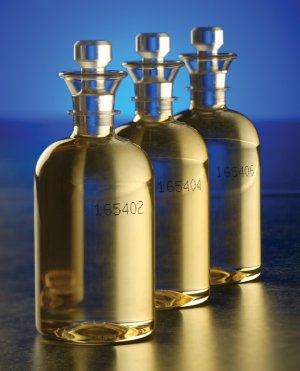
Ordinary plasitc bottles are unsuitable for BOD analysis because oxygen migrates
through the plastic into the sample. However, using a patented process,
the inner walls of these BOD bottles are sealed with amorphous carbon.
The coadting is 1,000 angstroms thick and provides a superior barrier to prevent
oxygen from diffusing into, or out of, your sample. The coated bottles
provide uniform blanks, high standard recoveries and quality test data.
No Pre-Cleaning Necessary
Disposable BOD bottles ae used straight from the box without pre-cleaning.
Using these bottles eliminates sample carryover and soap contamination.
Bottles are packed in plastic-lined boxes to eliminate dust and residue that
could adversely affect BOD results. The uniformity and cleanliness provided
by the disposable BOD bottles will improve your lab's blanks and test results.
Lightweight and Disposable
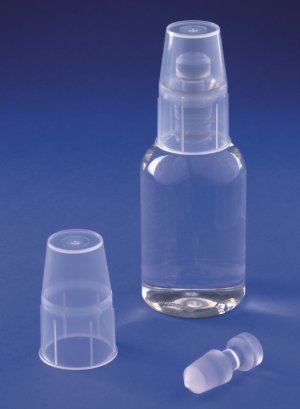
While these bottles contain the rewuied 300mL and use existing glass or acrylic
stoppers, the are slightly smaller in size than standard glass bottles.
The trimmer size allows you to store more bottles in your existing BOD incubator.
In addition, disposable bottles weigh only 28 grams each, reducing the weight
by 85%. These bottles are made of PET, one of the most recyclable plastics.
Unlike most thermo-plastics that are ground up and used in low-end applications,
recycled PET is broken down chemically to monomer level and re-polymerized.
We encourage you to recycle these bottles.
Conserve Water
How much water do you waste washing, triple rinsing and Dl rinsing your BOD
bottles? Most labs report it takes two liters of water or more to properly
clean a BOD bottle. Multiply that amount by hundreds or thousands of bottles
used, and you can see that a significant amount of water goes down the drain
each year. With disposable bottles, you conserve water and eliminate water
treatment and the soaps or detergents associated with washing. |